

Podcast: Play in new window | Download
Subscribe: Apple Podcasts | Spotify | Amazon Music | Android | iHeartRadio | TuneIn | RSS | More
In this episode, we listen to the strong words of the confidante, as portrayed in Sangam Literary work, Ainkurunooru 300-310, situated in the ‘Paalai’ or ‘Drylands landscape’ and penned by the poet Othalaanthaiyaar.

Thus spreads the Thirty First Ten of Ainkurunooru: Part not away
301 Parting away to the drylands
மால் வெள்ளோத்திரத்து மை இல் வால் இணர்,
அருஞ் சுரம் செல்வோர், சென்னிக் கூட்டும்
அவ் வரை இறக்குவை ஆயின்,
மை வரை நாட! வருந்துவள் பெரிதே.
Taking the flawless white flower clusters of the tall Symplocos tree, those who traverse the harsh drylands, tie it around their heads. If you plan to leave this beautiful mountain range, O lord of the cloud-clad mountains, she will wallow in sorrow greatly.
302 Good if you go not!
அரும்பொருள் செய் வினை தப்பற்கும் உரித்தே;
பெருந் தோள் அரிவை தகைத்தற்கும் உரியள்;
செல்லாய் ஆயினோ நன்றே
மெல்லம் புலம்ப! இவள் அழப் பிரிந்தே.
At times, it’s possible that rare and precious wealth slips away in spite of great efforts; It’s possible that the long-armed maiden might stop you as well; Parting from her and leaving her in tears, if you go not, that would be good, O lord of the gentle shores!
303 Take me along
புதுக் கலத்தன்ன கனிய ஆலம்
போகில்தனைத் தடுக்கும் வேனில் அருஞ் சுரம்
தண்ணிய இனிய ஆக;
எம்மொடும் சென்மோ, விடலை! நீயே.
Akin to a newly made pot is the fruit of the banyan. With its fruits, the tree stops the birds from flying away in the harsh summer of the drylands, and remains cool and pleasant. You should take her along with you, O young man!
304 Dare not part
கல்லாக் கோவலர் கோலின் தோண்டிய
ஆன் நீர்ப் பத்தல் யானை வௌவும்
கல் அதர்க் கவலை செல்லின், மெல் இயல்
புயல் நெடுங்கூந்தல் புலம்பும்;
வய மான் தோன்றல்! வல்லாதீமே.
The illiterate cowherds dig with their rods, puddles of water for their cattle and this is stolen by elephants near that stone-filled path in the drylands. If you are to go there, the maiden, with a gentle nature and long tresses, akin to rain in a storm, will lament a lot, O lord with speedy horses. So, dare not to part!
305 Of what use
களிறு பிடி தழீஇப் பிற புலம் படராது,
பசி தின வருந்தும் பைது அறு குன்றத்து,
சுடர்த் தொடிக் குறுமகள் இனைய,
எனைப்பயம் செய்யுமோ விடலை! நின் செலவே?
Being in the embrace of the female elephant, the male wishes not to move away to other lands, even when hunger torments them in their dried-up hill, lacking green. Making the maiden wearing glowing bangles sad, of what good would it do, that parting away of yours?
306 Melancholic than a flute
வெல்போர்க் குருசில்! நீ வியன் சுரன் இறப்பின்,
பல் காழ் அல்குல் அவ் வரி வாட,
குழலினும் இனைகுவள் பெரிதே
விழவு ஒலி கூந்தல் மாஅயோளே.
O lord, who is victorious in battles, if you go to the wide drylands, making the beautiful lines on her waist, adorned with many ornaments, fade, she would resound with more melancholy than a flute, that dark-skinned maiden with luxuriant tresses, fragrant like a festival!
307 Fire and Fear
ஞெலி கழை முழங்குஅழல் வயமா வெரூஉம்
குன்றுடை அருஞ் சுரம் செலவு அயர்ந்தனையே;
நன்று இல, கொண்க! நின் பொருளே
பாவை அன்ன நின் துணைப் பிரிந்து வருமே.
The bamboos rub against each other and catch fire. Seeing the spreading fire, a strong tiger runs in fear in the peak-filled, harsh drylands, and you intend to journey there. This is not good, O lord, for that wealth will not come unless you part away from your maiden, akin to the statue of a mountain goddess!
308 Parting away from here and now
பல் இருங் கூந்தல் மெல்லியலோள்வயின்
பிரியாய் ஆயினும் நன்றே; விரிஇணர்க்
கால் எறுழ் ஒள் வீ தாஅய
முருகு அமர் மா மலை பிரிந்தெனப் பிரிமே.
If you don’t part away from the gentle maiden with thick, dark tresses, that would be good; If not, remember that you part away, leaving her in this beautiful, huge mountain, where God Murugu resides, and where the shining flowers of the blackboard tree, with blossomed clusters and thick trunk, blooms and spreads!
309 Is it better?
வேனில் திங்கள் வெஞ் சுரம் இறந்து
செலவு அயர்ந்தனையால் நீயே; நன்றும்
நின் நயந்து உறைவி கடுஞ் சூல் சிறுவன்
முறுவல் காண்டலின், இனிதோ
இறு வரை நாட! நீ இறந்து செய் பொருளே?
On a summer day, you intend to part away to the hot drylands. O lord of the rock-filled mountain, would it be sweeter than seeing the smile of your first son, now in the womb of your loving wife, that wealth you are going to gain by parting away!
310 Hard to recover
பொலம் பசும் பாண்டில் காசு நிரை அல்குல்,
இலங்கு வளை மென் தோள், இழை நிலை நெகிழப்
பிரிதல் வல்லுவைஆயின்,
அரிதே, விடலை, இவள் ஆய்நுதல் கவினே!
With a waist, clad with coin-shaped ornaments, made of pure gold, is that gentle maiden with shining bangles. If you part, making her ornaments slip away, it would be hard, O young man, to recover the beauty of her fine forehead!
So concludes Ainkurunooru 300-310. With this section, we have entered the next landscape of ‘Paalai’ or the ‘drylands’. What we have to understand about this land is that this is not a exclusive division of territory in Sangam times, unlike the other four landscapes, but rather a time-varying situation when either the mountain or forest region would turn dry in a harsh and sweltering summer. In line with this bleak landscape, most of the verses are set in the sombre theme of parting away and the pain that arises in this separation. All the verses in this section are set in the situation of a man’s parting from the lady, after marriage, on a journey to earn wealth. The unifying theme of all the verses here is that these are all words uttered by the confidante to stop or delay the parting away of the man from the lady.
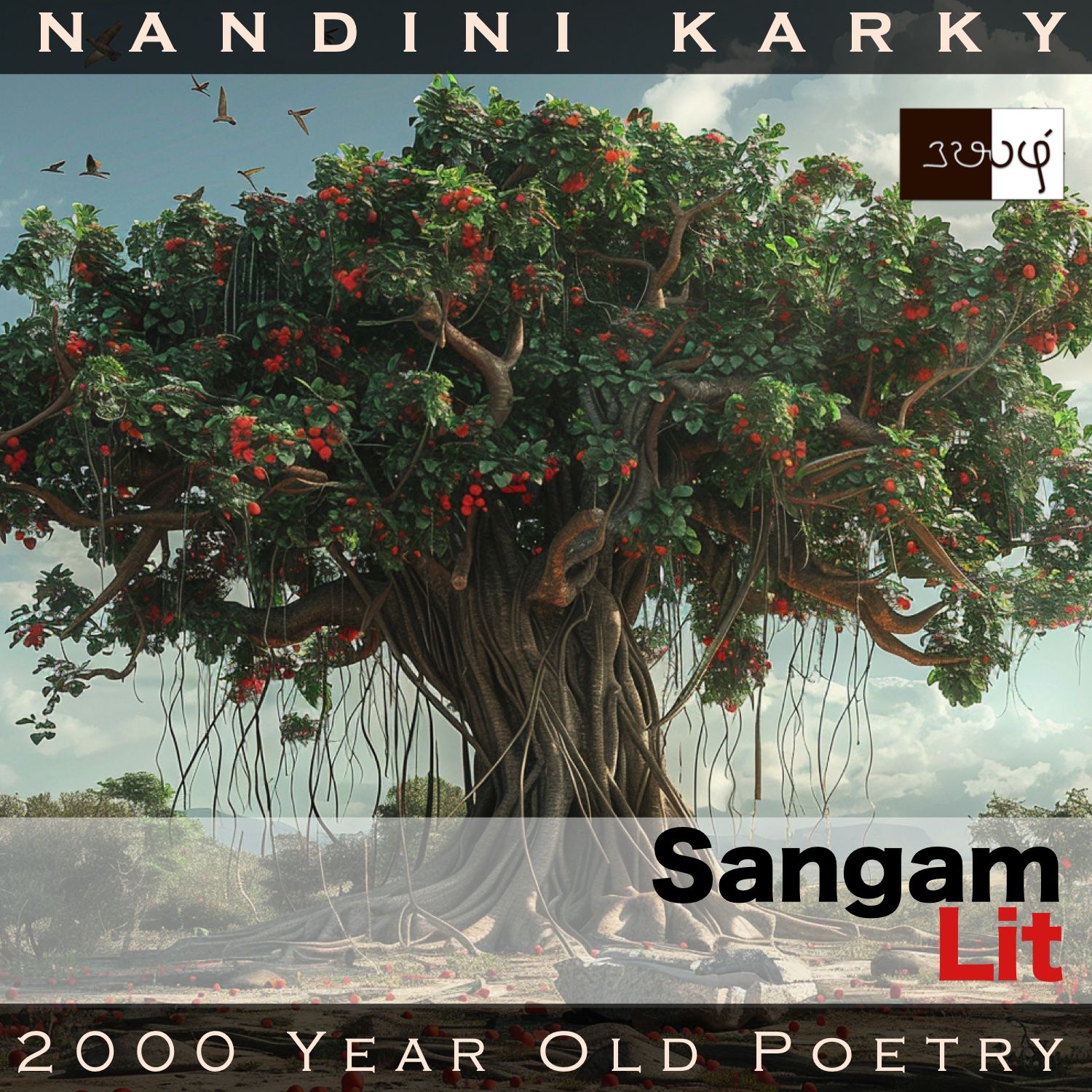
As these are the drylands, mentions of imagery in nature is scarce. Let’s focus on the few we find here. In one, there’s an interesting detail of people walking through the drylands wearing the white flowers of the ‘Symplocos tree’, called as ‘Lodhra’ in Hindi. On researching, learnt that this is a medicinal tree with all its parts having multiple benefits, and especially the flowers are said to have a cooling quality. Looks like Sangam people had figured out the much-needed benefit of this tree! In another, the banyan comes to the forefront, and striking is the way, the poet compares the fruits of this tree to newly made pots. Looking at an image of these fruits, I was wowed by their similarity to little red pots, fresh out of the potter’s wheel! Returning to the verse, the banyan is said to stop birds from flying away during the harsh summer to the drylands because of the presence of its fruits and cool shade. In another, cowherds who don’t have much bookish knowledge still dig up puddles to help their cattle during the harsh summer months and elephants steal away this water stealthily. Next, we see a male elephant in the tight embrace of its mate, wishing not to move away even when hunger attacks it, as all the green dries up on that hill, telling us that this is a mountain landscape turned into the drylands one summer. Next, we see the startling sight of bamboos rubbing against each other and bursting into flames, such is sweltering summer, and seeing this, a tiger scuttles away frightened.
Now, moving on to the intent of the speakers, in all cases, it’s the confidante speaking to the man. In the first, she says the lady will suffer in sorrow if the man parts away. In the second, she talks philosophically about how sometimes wealth does not come one’s way inspite of all efforts and how the lady would not want the man to go away, and so, she asks him, not to leave the lady in tears and go on that path. In this verse, the confidante addresses the man, as the lord of the gentle shores, and this could imply that the man was intending to sail away to some distant land to gain that wealth. In the third, the confidante insists that the man take the lady along with him. This makes us infer that both the man and lady travelling together was also a possibility then, though not commonly undertaken. In the fourth, the confidante says the lady will worry a lot if he goes, and asks him not to do that. In the fifth she asks what good can parting away do. In the sixth, the confidante says if the man parts away, the lady’s beautiful appearance would fade and she would be in a more melancholic state than a flute. That’s a poignant thought, I felt! In the seventh, the confidante says wealth that comes from parting away from the lady is no good. In the eighth, she declares that the man shouldn’t part away but if he decides to do so, then he must remember that he’s leaving the lady in the summer season, when the ‘Eruzh’ tree’s flowers spread everywhere in that mountain land of theirs, where God Murugu resides, implying of oaths taken never to part and let the lady suffer. The ninth is the only verse wherein there seemed to be a valid reason to prevent the man’s journey, at least from our perspective. For here, the confidante asks the man whether the wealth he’s going to earn was better than seeing the smile of his first born son, now in the womb of the lady! The thought that a man must be with his wife in this time of childbirth resounds aloud here. In the final verse, the confidante says the man may win all the wealth he needs, but with that, could he recover the beauty that’s lost from the lady.
Looking at the metaphorical elements, in that scene of the banyan extending its shade and sustenance to the birds in the harsh summer, there’s a metaphor for the man being the source of strength to the lady even in the drylands, and so, he must take her along in his journey. In the image of the elephants stealing away the water from the cowherds’ puddles for their cattle, the confidante places a metaphor for pallor stealing away the beauty of the lady, meant for the man. The scene where the tiger runs away seeing the fire flaring between the bamboos is a metaphor for the fear in the lady and confidante, thinking about the fire-like separation between the man and lady. Thus, in this section, we find a great unity of thought and intent, unlike the other sections, for every single one intends to stop the man from taking up his journey to earn wealth. Could this parting away and seeking wealth have been a non-essential thing that makes the confidante so boldly say, ‘Don’t go’ to the man? Interesting to think about which cases the man would still go, and which cases, he would heed the words of this good friend and stay!
